
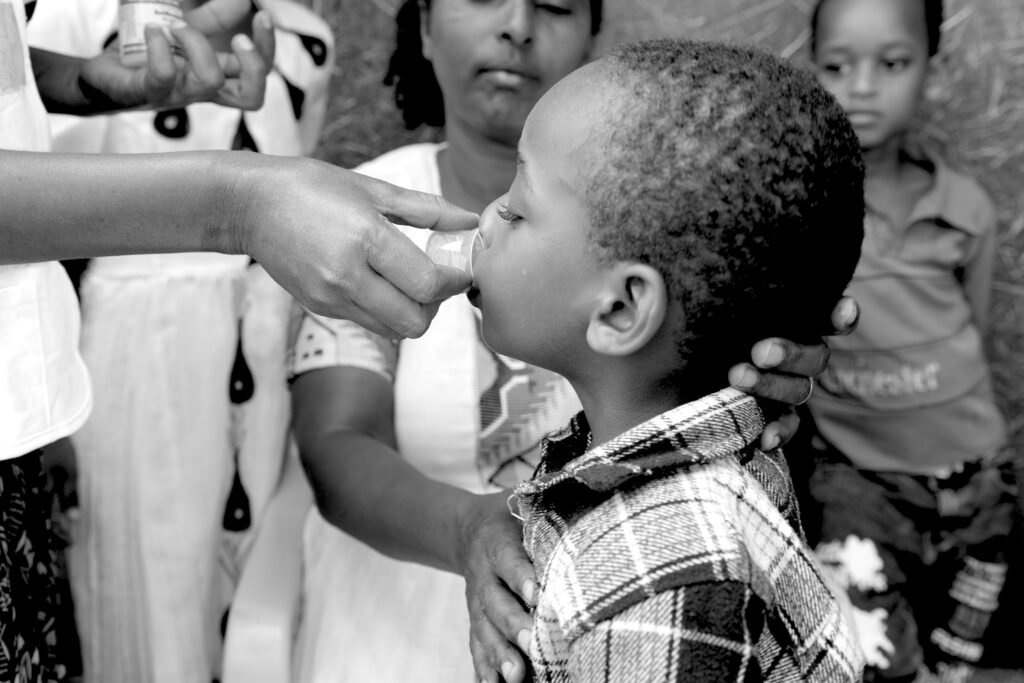
The Advisory Panel on Azithromycin for Child Survival (APACS) convened for its second meeting on 10-11 December 2025, in Dubai, UAE, bringing together country representatives, technical experts, donors, and partners from the REACH Network and the International Trachoma Initiative (ITI).
Building on the foundation established during its inaugural meeting, APACS 2 focused on the rapid expansion of child survival programs using azithromycin mass drug administration (MDA), reviewing implementation experiences, emerging evidence, and the operational challenges associated with scaling interventions across multiple countries.
As the independent advisory body on azithromycin stewardship, APACS continued to strengthen its role in supporting transparent, evidence-based decision-making on the allocation and responsible use of donated azithromycin.
Scaling up for impact
The REACH child survival program saw significant growth during 2025. Manufacturing capacity increased substantially during 2025, supported by the addition of a second supplier and improvements in forecasting and procurement systems.
Countries collectively forecast more than 56 million azithromycin treatments in 2026 across Burkina Faso, Mali, Niger, and Nigeria.
During APACS 2, panel members emphasized the importance of ensuring predictable supply chains and timely deliveries to ensure that medicines arrive well in advance of planned campaigns and can be integrated with broader child interventions.
Country experiences and lessons learned
APACS reviewed implementation updates from Burkina Faso, Mali, and Nigeria.
Countries reported strong process in expanding coverage while reaching underserved and previously unreached communities.
Mali achieved more than 96% treatment coverage in 2025, including in northern regions affected by insecurity.
Nigeria expanded implementation to 10 states while conducting large-scale mortality and antimicrobial resistance (AMR) monitoring activities.
Burkina Faso shared plans to launch implementation in six regions in 2026 through integrated child health campaigns.
Discussions highlighted common challenges, including population mobility, insecurity, data collection constraints, and the need to identify and reach “zero-dose” communities with limited access to health services.
Strengthening the evidence base
A significant portion of the meeting focused on the scientific and operational questions that will guide future APACS recommendations.
Members reviewed updates from the REACH Network’s working groups on AMR, mortality surveillance, and cost-effectiveness.
APACS 2 continued discussions on defining the starting and stopping criteria for MDA, ensuring also that mortality, AMR, and equity considerations continue to inform allocation decisions.

Looking ahead
As the REACH program expands into new geographies and reaches ever greater numbers of children, APACS is playing a vital role in ensuring that azithromycin is used safely, equitably, and responsibly.
The meeting reinforced the importance of strong country leadership, transparent decision-making, and continued investment in evidence generation as partners work together to maximize the impact of child survival interventions while safeguarding antibiotic stewardship for the future.
Logged-in members can read the second report of the Advisory Panel on Azithromycin for Child Survival here.